 21 Aug
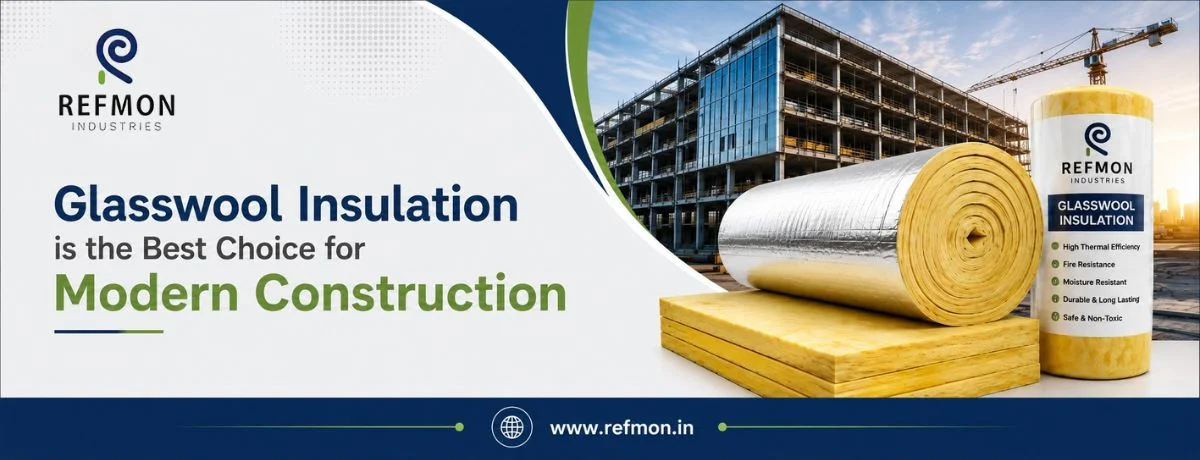
Why Glasswool Insulation is the Best Choice for Modern Construction
Insulation is an important element in the design of industrial buildings. It helps to create a stable environment, decrease energy consumption and provide safe working conditions. Good insulation products
 20 Jul
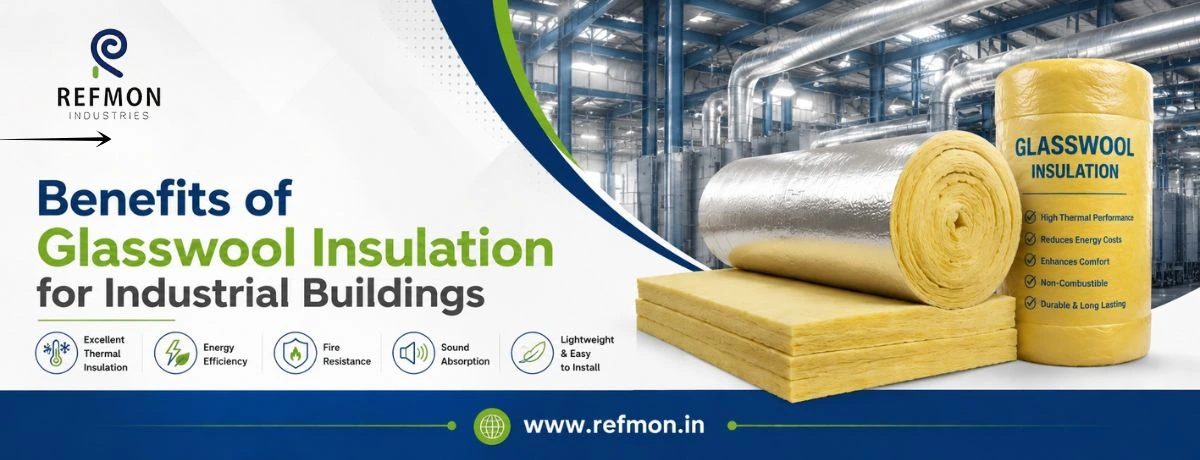
Top 7 Benefits of Glasswool Insulation for Industrial Buildings
An important aspect of the design procedures for industrial structures and buildings is the design of the buildings to provide efficient insulation that will create a stable environment, reduce the
 09 Jul
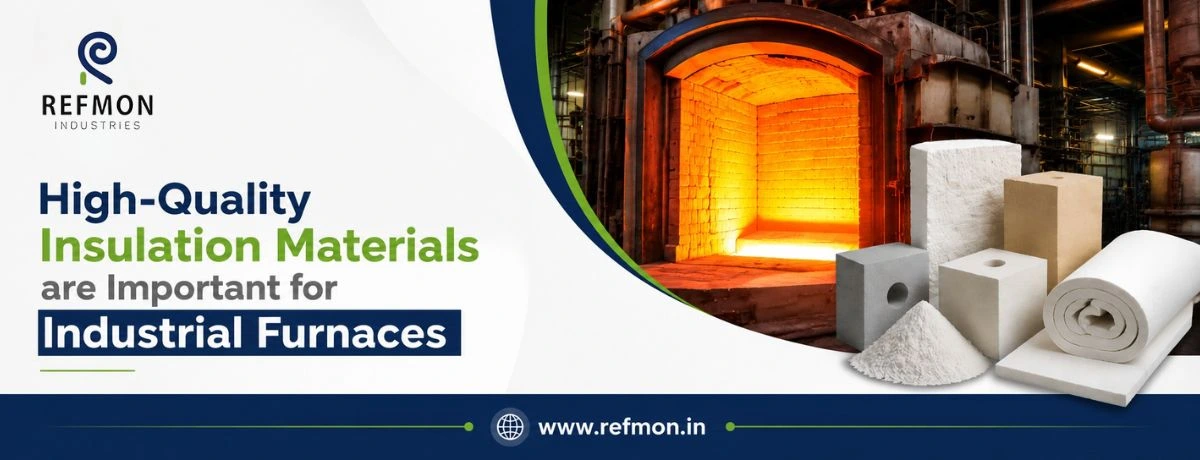
Why High-Quality Insulation Materials are Important for Industrial Furnaces?
Furnaces are typically operated at extremely high temperatures and in demanding industrial environments. Whether they are used in steel manufacturing, cement production, ceramics, glass, or chemical
 30 Jun
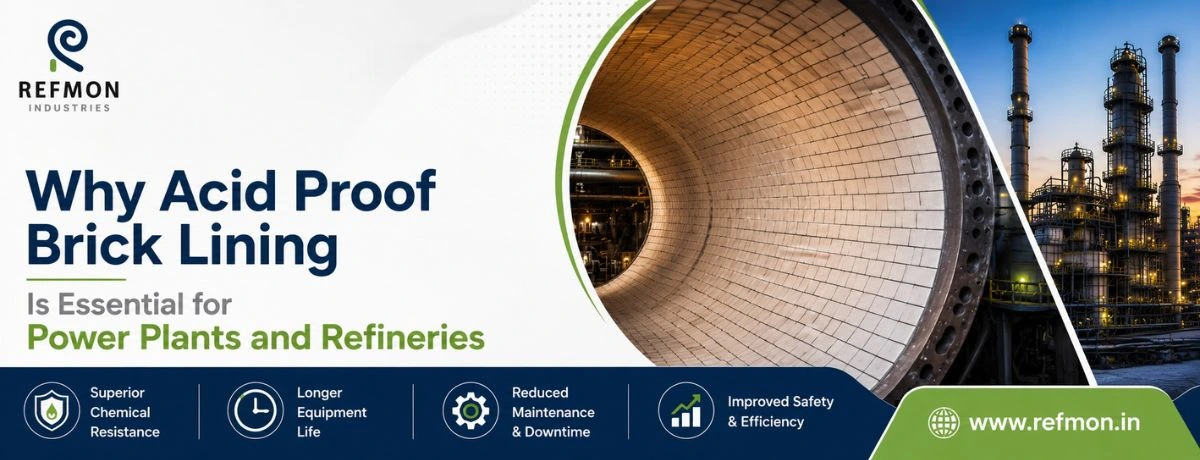
Why Acid Proof Brick Lining is Essential for Power Plants and Refineries?
Highly demanding environments only come at power plants and refineries once a day. They are subjected to corrosive chemicals, very harsh temperatures, wetness and abrasive materials within the equipment.
 30 Apr
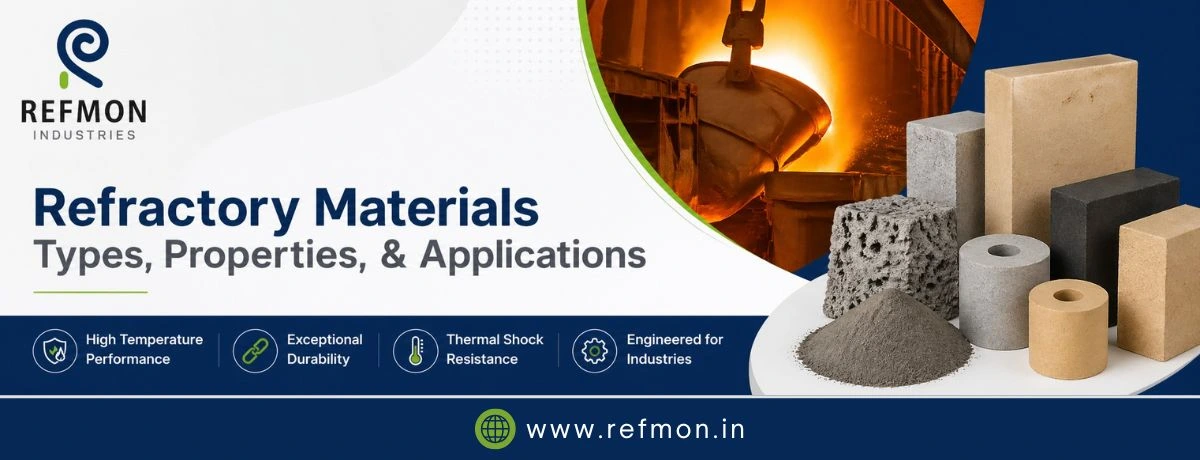
Refractory Materials: Types, Properties, & Applications
Refractory materials are crucial in sectors where extremely high temperatures prevail, such as the steel, cement, glass, and petrochemical industries. These kinds of materials have been made to withstand
 20 Apr
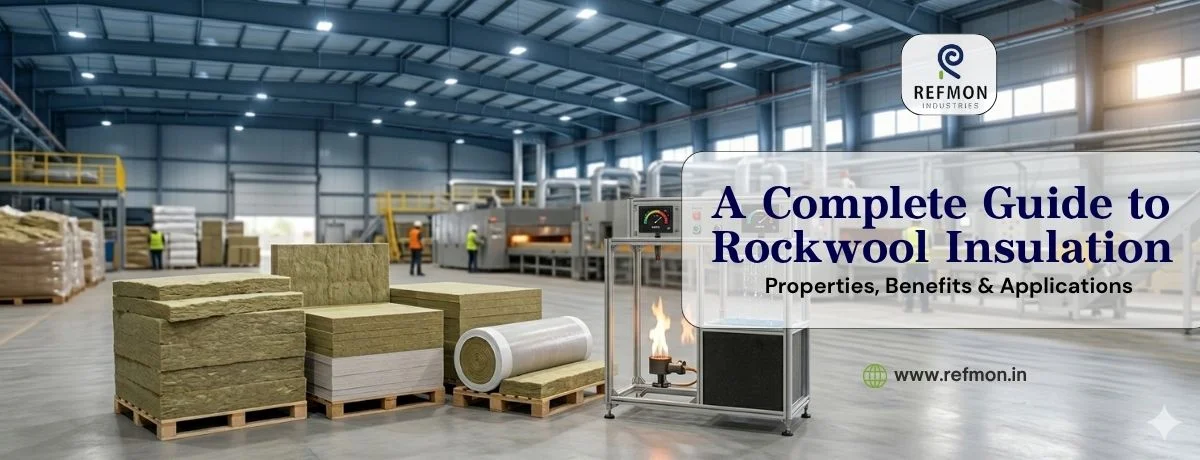
A Complete Guide to Rockwool Insulation: Properties, Benefits, and Applications
As a key feature in enhancing energy performance, temperature regulation, and fire safety, insulation is essential in residential, business, and industrial areas. Rockwool insulation is the most widely
 20 Mar
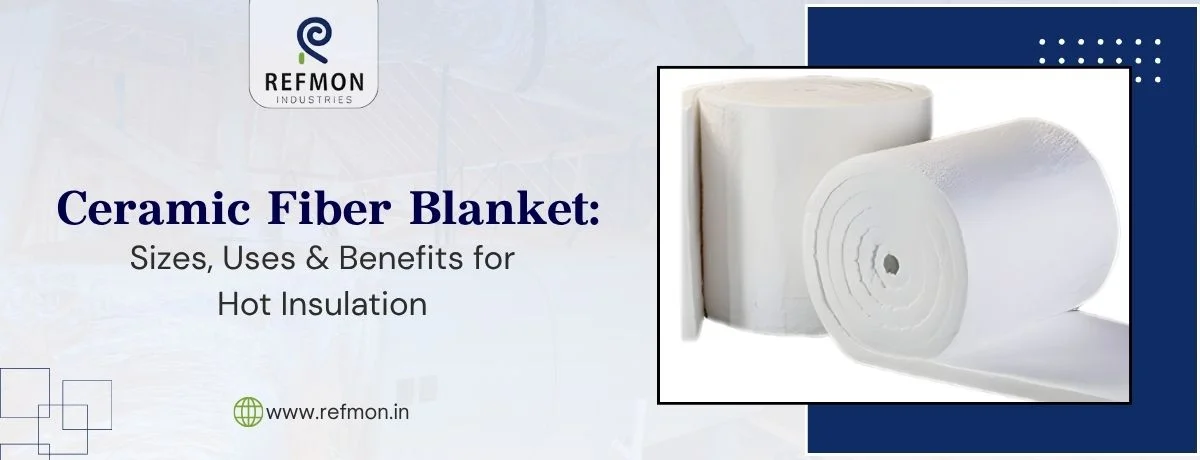
Ceramic Fiber Blanket: Sizes, Uses & Benefits for Hot Insulation
Ceramic fiber blankets are mostly utilized in industries that require high thermal insulation. The ceramic fiber blanket is non-combustible, flexible, and strong, making it suitable for harsh conditions.
 30 Jan
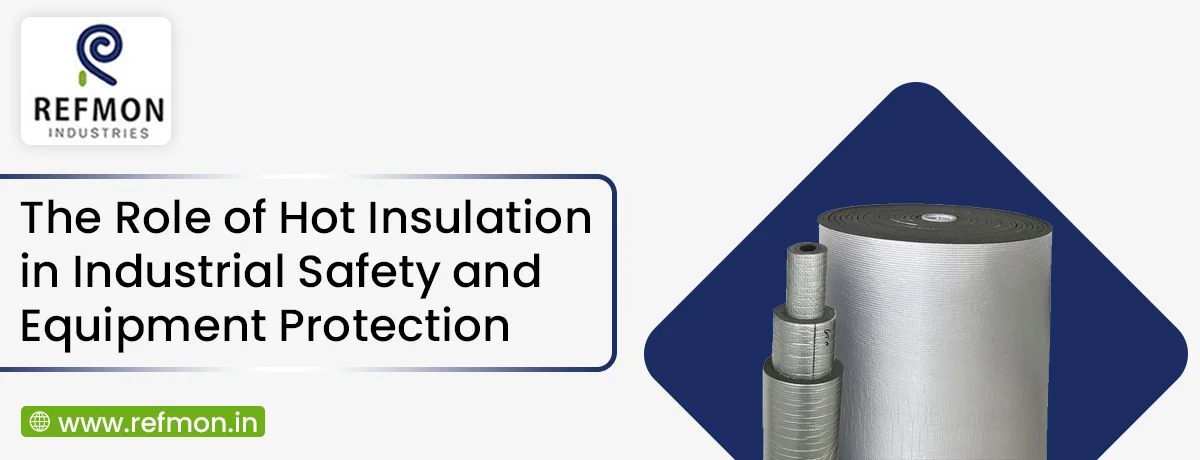
What is the Role of Hot Insulation in Industrial Safety and Equipment Protection
Industry processes are often very demanding and risky. From dealing with extremely high temperatures to hazardous chemicals, there is a high need for caution across different operations.
One
 30 Dec
How Acid Proof Brick Lining Improves Safety in Industrial Facilities
Industrial facilities face tough conditions where structures deal with chemicals, heat, and mechanical strain all the time. Ensuring safety in these places isn’t just about the machinery; it’s