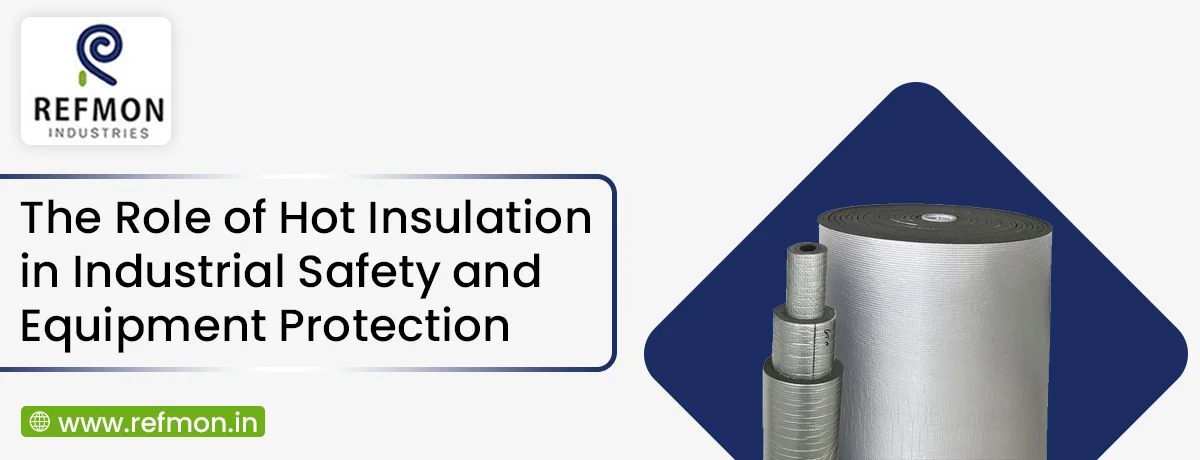
What is the Role of Hot Insulation in Industrial Safety and Equipment Protection
Industry processes are often very demanding and risky. From dealing with extremely high temperatures to hazardous chemicals, there is a high need for caution across different operations.
One common issue is heat loss during the operations, which is corrected through insulation. Adequate hot insulation in piping 14, equipment, and structures serves many purposes, including maintaining stability, improving efficiency, and reducing risk within industrial units.
Understanding Hot Insulation In Piping
Hot insulation is thermal protection for pipes carrying high-temperature fluids or gases. It is designed so that its performance is not diminished by sustained exposure to heat. It serves the following purposes:
1. Improving worker safety
Uninsulated hot surfaces can pose a danger to workers in the event of accidental contact. Insulation acts as a protective barrier against such contacts. By containing heat within equipment, it reduces the risk of fires.
For enhancing industrial safety, various materials are preferred. Glasswool insulation is a top choice. Glasswool has low thermal conductivity, which effectively prevents heat transfer. The fibre gap in glass wool also provides it with mould and moisture resistance. It is cost-effective, too, making it a popular choice.
2. Prevents thermal damage
The technical and mechanical ways in which hot insulation prevents thermal damage are:
- Industrial equipment operates under high temperatures. Without insulation, rapid heat loss causes uneven heating and cooling. This can lead to thermal expansion and contraction, creating stress in metals. If left untreated, this causes cracks and failures down the line.
- Many systems work through the interconnectedness of their parts. Heat radiating from uninsulated equipment can transfer to nearby components, causing damage.
- Heat loss forces systems to work harder. It causes mechanical strain on the machines, leading to their early wear and tear.
- The lubrication oils within the machines may burn if exposed to excess heat.
By addressing these threats, hot insulation extends the shelf life of machinery.
Role in process efficiency
When stable temperatures are maintained, the industrial operations run smoothly. By reducing heat dissipation, hot insulation helps maintain stable temperatures throughout structures.
Similarly, energy is used more efficiently by reducing the fuel or electricity required to sustain operating temperatures. So it allows for cost-effective operations.
Environmental impact
Hot insulation has a measurable impact on the environment. As heat loss is reduced, less energy is required to keep operations running. It also helps industries with emissions control. Lastly, it also translates into cost savings.
Choosing The Right Material For Insulation
The materials used for hot insulation must withstand extreme thermal conditions and be suited to the mechanical and chemical properties of the process. The choice of appropriate materials will depend on:
- Thermal stress they are exposed to
- Internal temperature of the equipment
- Mode of operation
You can choose from materials like LRB Mattress, LRB insulation, Rockwool, RB Slab, Glasswool, Calcium silicate blocks, Hysil blocks, etc. Each has distinct advantages and downsides.
- LRB: It is made up of fibres that are spun from rocks. LRB insulates temperatures of up to 800°C.
- Calcium silicate blocks: These are high-strength and lightweight. It provides insulation up to 650° C.
- Hysil blocks: Withstanding temperatures up to 1100° C, it is a high-performance material widely used in industries.
Role of Refractory Material
The refractory materials support insulation systems. Refractory bed material suppliers provide materials that can withstand intense heat while offering strengthened structures. Common types include fireclay refractories, alumina refractories, castables, and more.
In industries such as brick kilns, refractory materials play a critical role due to the very high temperatures at which operations occur. While refractory materials are exposed to direct heat and mechanical stress, insulation layers are also combined with them. This ensures double protection!
Conclusion
Hot insulation is a necessary process for industries seeking efficiency and effectiveness. The hot insulation serves multiple purposes, and its benefits can be maximised by choosing the right material. Manufacturing expertise enhances reliability and compliance. If you are looking for the best hot insulation materials or fire bricks supplier in Alwar, contact Refmon Industries for top-notch products.