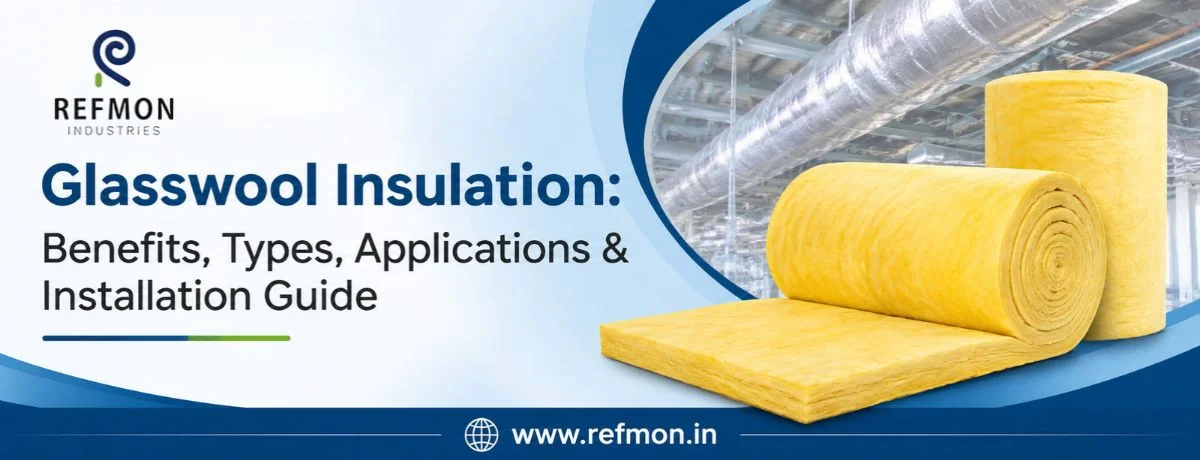
Glasswool Insulation: Benefits, Types, Applications & Installation Guide
Glass wool insulation is used in all types of building applications to block heat flow, enhance energy efficiency and reduce the transfer of noise. Glass wool fibers are made of very fine strands of glass that they are light, yet capable of trapping a significant volume of air, thus improving its thermal properties and helping to minimize the transfer of heat and stabilize the temperature inside a space. Glass wool insulation manufacturers produce a variety of glass wool types that are suitable for use in a number of different areas, offering a selection of densities, configurations and thicknesses to insulate both thermal and acoustic. Glasswool is used in applications ranging from small ducts and pipes to ceilings, floors and larger industrial installations.
What Is Glasswool Insulation?
Glasswool is a fibrous insulation made from recycled glass, raw materials and recycled glass that is melted in high temperature furnaces. The glass is spun or blown into fibers and bonded together to make the batts and rolls of Glasswool. The air pockets between the fibers give the building element a low thermal conductivity, so the product is used for heat and sound insulation.
Advantages of Glasswool Insulation
The following are a few advantages of using Glasswool.
1. Thermal Insulation Performance
Glaswool's top benefit is its insulating ability. The air trapped between the tiny glass filaments helps to reduce the flow of heat. In turn, it helps to keeps temperature consistent and takes less work from your air con or heater.
2. Sound Absorption
Glass wool acts as an insulation material with a porous fiber structure, which is responsible for absorbing sound waves and reducing the transmission of noise. Glass wool can be used to prevent sound transmission in partition walls, ceilings, offices, studios, and industrial buildings.
3. Lightweight & Flexible
It is lightweight and easy to handle which is convenient for all purposes of transportation and installation. It comes in the form of rolls and blankets that are easy to move and it can be cut down in order to fit different sizes. Boards and batts are easy to use because they come in sizes that fit between the standard space between boards in a building structure.
4. Fire Performance
The 'fire-safety grade' of glass wool insulation products refers to the capability of the associated manufacturing process to produce material that withstands a certain fire-safety standard, it has nothing to do with the inherent fire-safety of the glass fibres themselves. The fire-safety grade can be found on the product's marketing literature and accompanying documents.
5. Enhanced Energy Performance
Glass wool helps reduce heat transfer between the outside and inside of a building. This can ultimately contribute to reducing heating and cooling needs and to reduce the energy required and the comfort of the building.
6. Versatile Applications
Glass wool for residential, Commercial and industrial use such as factories, warehouses, and commerce.
Types of Glasswool Insulation
The glasswool is available in the following forms to provide different thermal and acoustic levels of insulation.
1. Glasswool Rolls: Flexible insulation used in roof, ceiling, and wall cavities.
2. Glasswool Batts: Pre-cut insulation pieces for walls, floors, and ceilings.
3. Glasswool Boards: Boards of rigid or semi-rigid type used in commercial and industrial buildings.
4. Glasswool Pipe Sections: Pre-formed sections to insulate hot and cold pipes.
5. Glasswool Blankets: Glasswool blankets are flexible insulation for use in ducts, tanks, and industrial equipment.
Applications of Glass Wool Insulation
Glass wool is suitable for residential, commercial, and industrial use.
-
Glass wool reduces heat flow and helps keep indoor spaces warmer.
-
Wall insulation creates a better thermal barrier and a better sound barrier when it comes to space between rooms.
-
HVAC systems applied in air-conditioning ducts and ventilation systems for heat transfer purposes and absorption of noise.
-
Industrial pipe insulation helps reduce heat loss from pipelines carrying hot water, steam, and process fluids.
Read More: Top Uses of Glass Wool Insulation Materials
How to Install Glasswool Insulation
1. Prepare the Area
Check that the installation area is clean, dry, and clear of anything in the way.
2. Wear Protective Gear
Put on gloves, safety goggles, long sleeves, and a dust mask or respirator.
3. Measure
Measure the cavity or surface so you know how much insulation you need.
4. Cut to Size
Cut the rolls or batts to match your measurements. Make them slightly larger than the gap so they fit tightly.
5. Fit the Insulation
Push the material into place so it fills the space fully. Don’t squash it, and don’t leave gaps.
6. Cover and Seal
Add a vapor barrier or protective covering if your building needs one.
Why Quality Is Important When Buying Glass Wool Insulation Products?
Insulation products are not all the same, and their quality influences their effectiveness, longevity and appropriateness for various needs. In other words, not all insulation are equal, and there are other things to take into account over a project's life-cycle. Reliable measurements are specified with drawings, dimensions, construction details, thermal performance, and test data. The quality of a product is also determined by its storage, handling and installation.
By selecting the approved insulation manufacturers in India, your company will benefit from their expertise to understand the specific requirements of the project. Contractors and project engineers will find it easier to find the right products and achieve better installation with manufacturers offering a complete range of insulation products, technical literature, and guidance on installation.
Read More: Benefits of Glasswool Insulation for Industrial Buildings
Conclusion
Glass wool insulation is the most efficient way of providing thermal and acoustic insulation for a wide variety of applications, including roofs, walls, ceilings, ducts, and hot insulation in piping 14 systems. Proper installation and use of insulation material will help minimize heat loss in most applications